Mineral Rights for Sale: A Guide to Buying and Selling
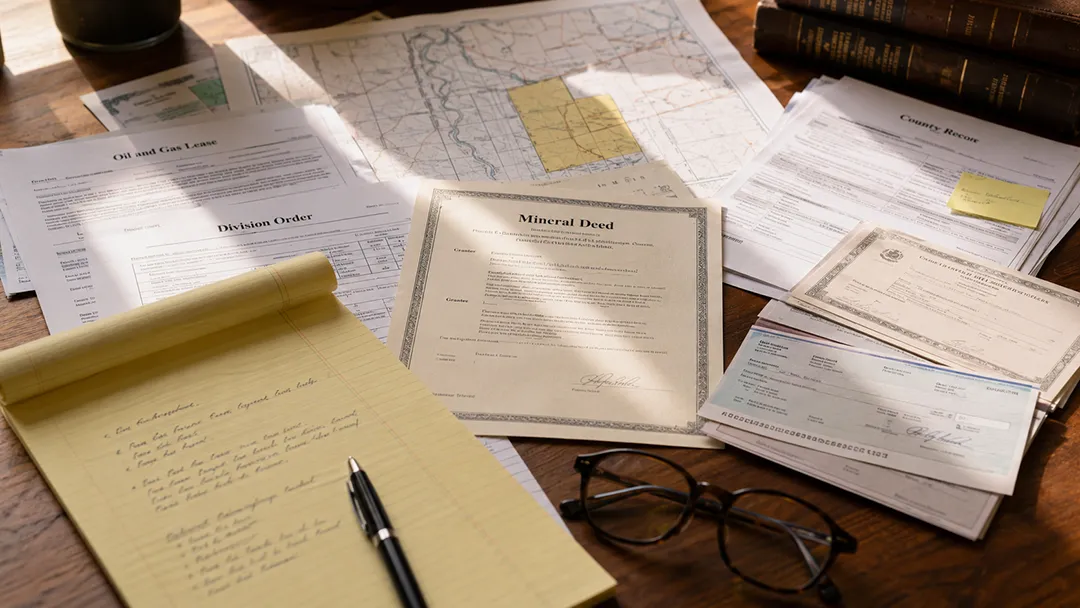
When dealing with subsurface assets, seeing a listing for mineral rights for sale attracts both motivated property owners looking to liquidate family assets and investors seeking long-term passive income. However, buying and selling subsurface rights is not like traditional real estate. This comprehensive guide provides the exact, factual steps both parties must take to successfully navigate the complex market of mineral rights for sale.
Listing Your Mineral Rights for Sale: What Sellers Must Know
Owners typically list their mineral rights for sale to receive an immediate, large lump-sum cash payment rather than waiting for fluctuating monthly royalty checks. Selling is also a common strategy to simplify complex probate issues when inherited rights are heavily fractionated among dozens of family members.
Step-by-Step Guide for Sellers
If you are preparing your mineral rights for sale, you must organize your paperwork before contacting buyers.
- Step 1: Document Gathering. Buyers will not make serious offers without proof of ownership. You must gather your original Mineral Deeds, active Oil and Gas Leases, Division Orders, and at least three to six months of recent royalty check stubs (if the minerals are producing).
- Step 2: Finding the Market. You have three primary avenues to sell: directly contacting the oil and gas operator currently drilling on your land, hiring a professional mineral broker, or listing the rights on specialized industry auction platforms and marketplaces, such as the US Mineral Exchange or Efficient Markets.”
Exploring Mineral Rights for Sale: A Strategy for Buyers
For investors, acquiring mineral rights for sale is highly attractive because it provides a share of production revenue without bearing any of the multi-million-dollar drilling costs.
Where to Find Minerals to Buy
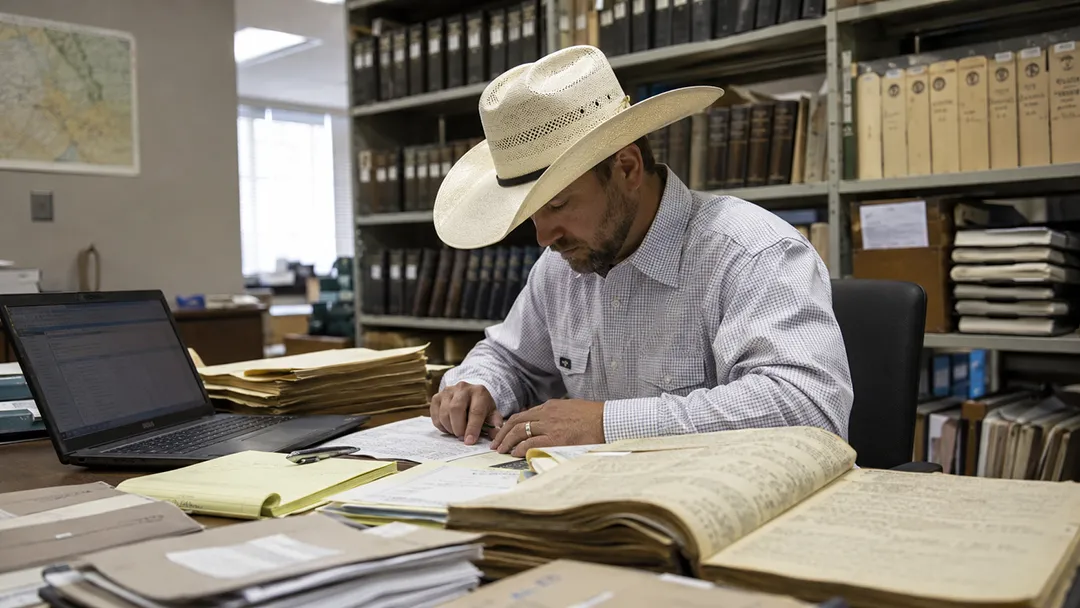
- Step 1: Sourcing Opportunities. Professional buyers do not wait for listings to appear online. They actively search county tax records and courthouse registries to identify mineral owners. They then utilize “direct mail” campaigns to send unsolicited purchase offers to those owners.
- Step 2: The Letter of Intent (LOI). Once a seller is interested, the buyer issues an LOI. This non-binding document outlines the proposed purchase price per net mineral acre and the timeline for closing, initiating the formal transaction.
How to Determine the Value of Mineral Rights
The most critical question in any transaction is valuation. There is no standard “Kelley Blue Book” for mineral rights for sale. Pricing is strictly dictated by geological location, current commodity prices, and production status:
- Producing Minerals: If the rights are currently generating royalties, buyers typically value them by multiplying the average monthly royalty check by 36 to 60 months (3 to 5 years of expected revenue).
- Non-Producing Minerals: If no active wells exist, the value is entirely speculative. Buyers calculate value based on the proximity to active drilling rigs or proven geological formations. To verify rig activity and drilling permits, buyers should visit official databases like the North Dakota Industrial Commission (NDIC) or the federal Bureau of Land Management (BLM).
The Exact Transaction Process for Mineral Rights for Sale
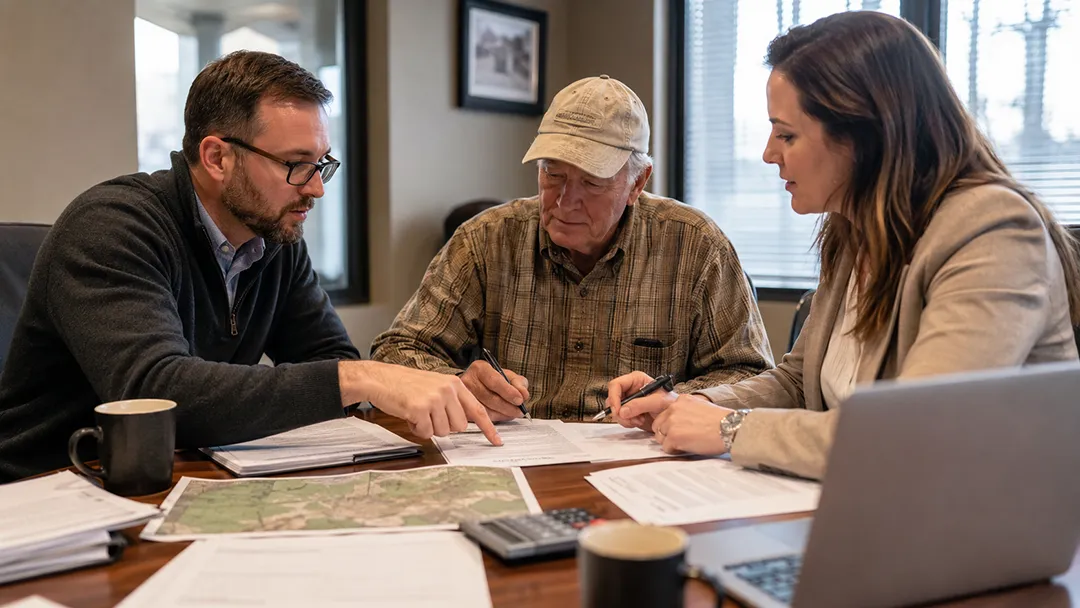
Once the price is agreed upon, the physical process of closing mineral rights for sale follows a strict legal sequence:
- Purchase and Sale Agreement (PSA): Both parties sign this legally binding contract detailing the exact terms, legal descriptions of the land, and the timeline.
- Due Diligence Period: Typically lasting 30 to 90 days, this is the critical phase where the buyer investigates the courthouse records to ensure the seller actually owns what they claim.
- Closing and Recording: Funds are exchanged (often via escrow), and the seller signs a “Mineral Deed.” This deed must then be immediately recorded at the local County Clerk and Recorder’s office to legally finalize the transfer of ownership.
Crucial Steps Before Finalizing Mineral Rights for Sale
Understanding the Split Estate
Both buyers and sellers must understand the concept of a “Split Estate,” where the surface dirt and the underground minerals are owned by different entities. Buying mineral rights for sale grants the “dominant estate,” giving the buyer the legal right to use a reasonable amount of the surface land to extract the minerals.
Verifying the Chain of Title for Mineral Rights for Sale
A county courthouse does not guarantee who owns the minerals; it simply acts as a library of historical documents. The burden of proof is entirely on the buyer. If there is a missing probate document, an incorrect legal description from 1950, or an unresolved mortgage on the property, the title is “clouded,” and the buyer could lose their entire investment.

Securing Your Mineral Rights for Sale Transaction with Professionals
Because the legal risks are so high, no buyer or seller should navigate mineral rights without expert assistance. During the Due Diligence phase, professional Landmen perform exhaustive Title Searches and Title Curative work to ensure the chain of title is flawless.
Before you sign a PSA or wire funds, utilize the expert oil and gas services at BJK. Professional landmen will meticulously trace historical deeds, cure title defects, and guarantee that the transfer of your valuable subsurface assets is legally bulletproof.