North Dakota Oil: Celebrating 75 Years Since Discovery
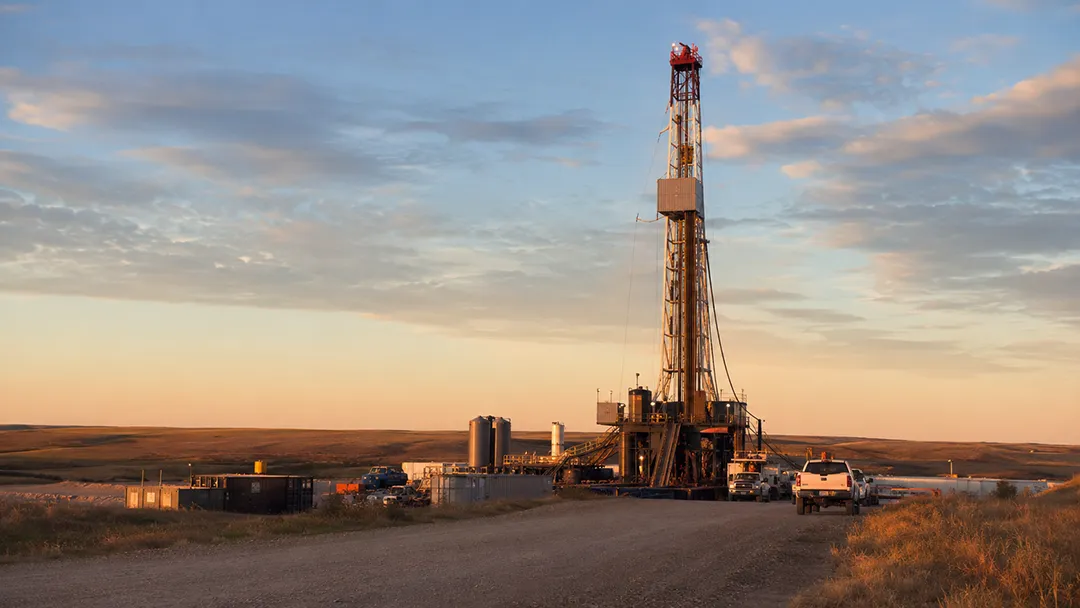
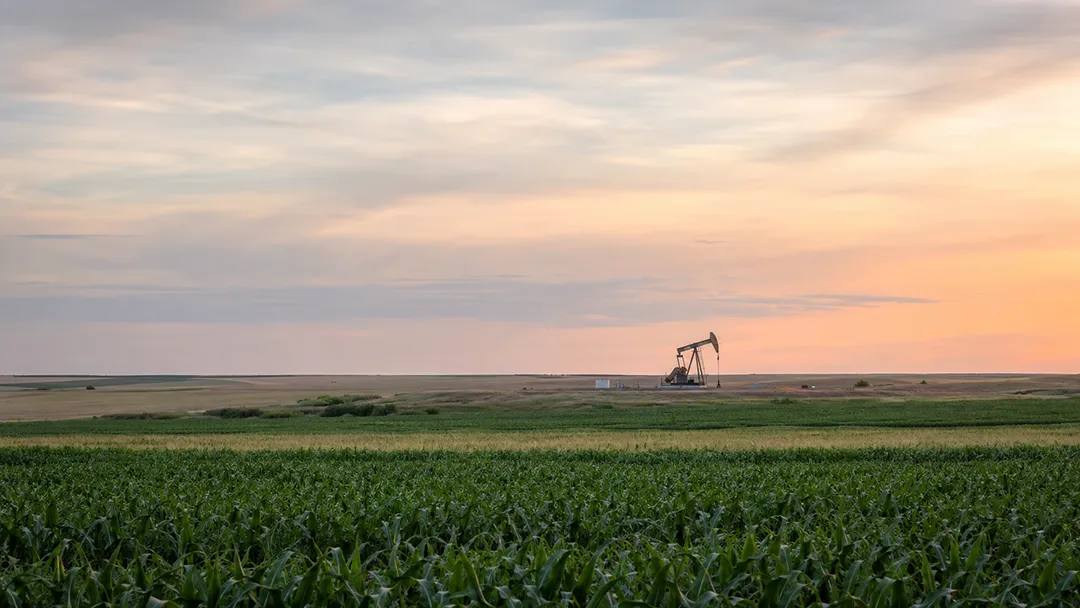
The year 2026 marks an incredible milestone for the American energy sector: the 75th anniversary of the discovery of North Dakota oil. What began as a single, speculative vertical well in the middle of a wheat field has evolved into one of the most technologically advanced and financially lucrative energy basins on the planet. Over the last seven and a half decades, the Williston Basin has fundamentally altered the state’s economy, funded modern infrastructure, and completely rewritten the financial destiny of local farming families.
However, while the massive drilling rigs, horizontal wellbores, and carbon capture technologies of 2026 look nothing like the equipment used in the 1950s, the core foundation of the industry remains exactly the same. The entire system is still built upon independent mineral owners leasing their subsurface mineral rights to energy operators. As we celebrate 75 years of North Dakota oil, we must look back at how this industry evolved and, more importantly, explore what this rich history means for the families who have held onto their mineral wealth for generations.
The Clarence Iverson No. 1: Where North Dakota Oil Began
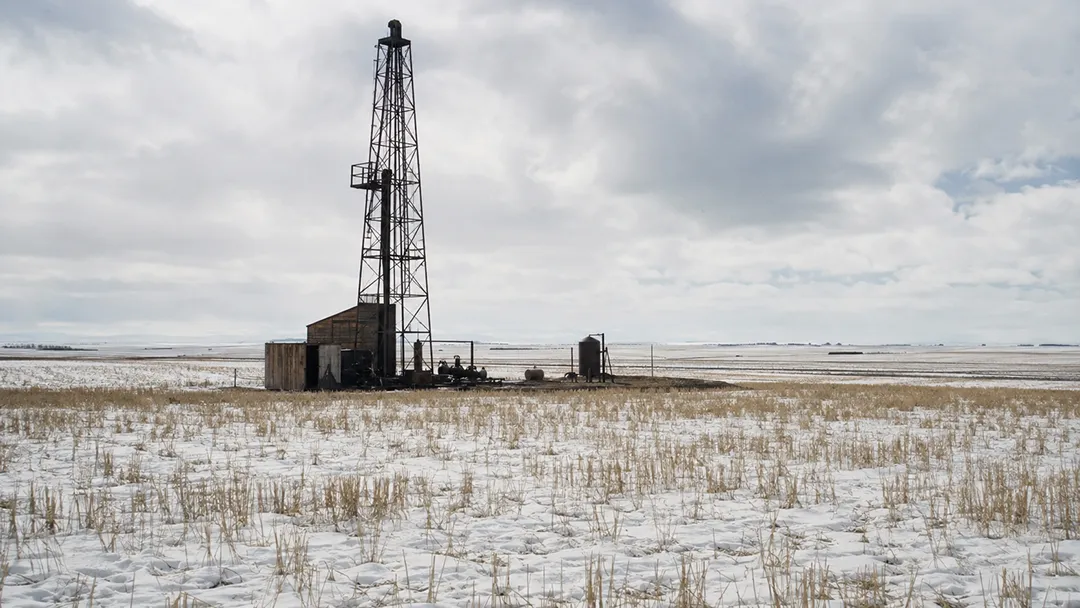
To understand the modern Bakken, you have to look back to a snowy day on April 4, 1951. After months of grueling work and previous dry holes in the state, the Amerada Petroleum Corporation finally struck liquid gold. The Clarence Iverson No. 1 well, located on a farm south of Tioga on the Nesson Anticline, produced the first commercial quantities of North Dakota oil.
This monumental event, officially chronicled by the State Historical Society of North Dakota and the Department of Mineral Resources sparked an immediate economic frenzy. The news spread across the country, igniting the state’s very first oil rush. Almost overnight, rural farming communities transformed into bustling energy hubs.
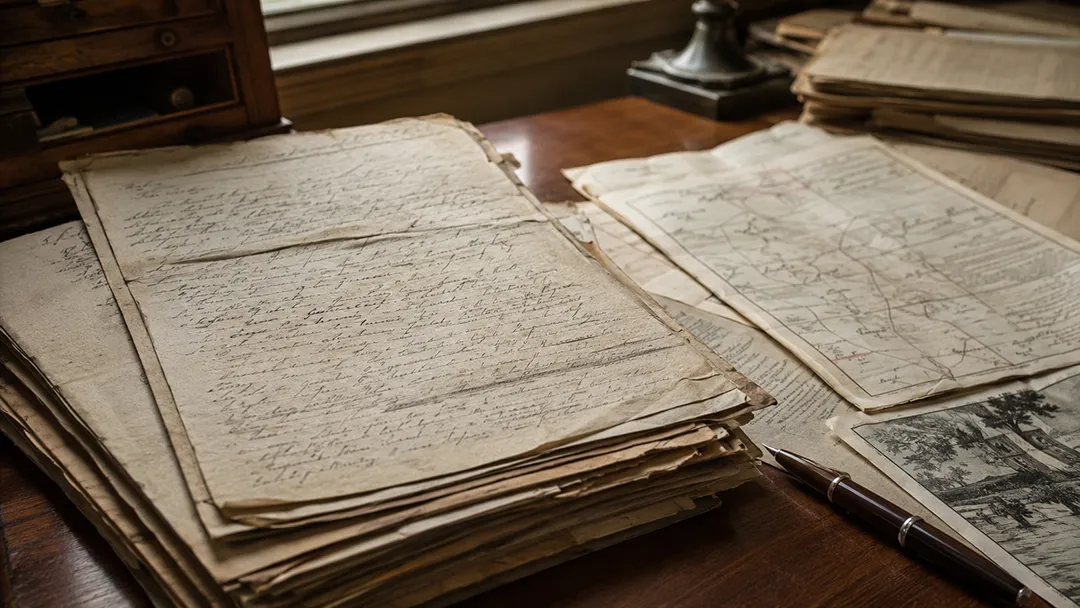
During those early days, professional landmen flooded the local diners, courthouses, and farmhouses. Armed with nothing but paper maps, typewriters, and checkbooks, these landmen scrambled to secure handwritten leases from local farmers. Many of those original 1950s leases signed over a cup of coffee at a kitchen table set the legal and generational foundation for the mineral rights that families still own and negotiate today.
75 Years of Evolution: From Vertical Rigs to the Bakken Boom
The story of North Dakota oil is not a straight line of constant growth; it is a tale of innovation born from necessity. The decades following the Clarence Iverson discovery saw a series of booms and busts, largely driven by global commodity prices and the limitations of vertical drilling. By the late 1980s and 1990s, many believed the Williston Basin had given up all its accessible reserves.
Everything changed in the early 2000s. The industry experienced a technological renaissance with the perfection of two distinct technologies: horizontal drilling and hydraulic fracturing (fracking). Engineers realized they no longer had to drill straight down and hope to hit a pool of oil. Instead, they could drill down two miles, turn the drill bit 90 degrees, and bore laterally for another two to three miles directly through the thin, oil-rich Bakken and Three Forks shale formations.
This technological leap unlocked billions of barrels of previously trapped crude. The ensuing “Bakken Boom” propelled North Dakota to become the second-largest oil-producing state in the nation. Today, in 2026, the evolution continues. We are now entering the era of Enhanced Oil Recovery (EOR) pilot projects and AI-driven predictive maintenance, ensuring that the legacy of North Dakota oil will thrive for decades to come.
What This 75-Year Milestone Means for Modern Mineral Owners
The 75th anniversary of the state’s oil industry is not just a corporate milestone; it is a deeply personal one for thousands of families. If you are a current stakeholder in the Williston Basin, there is a high probability that your mineral rights were originally reserved, patented, or leased during that initial wave of exploration in the 1950s.
For modern mineral owners, this anniversary highlights a massive shift in financial value. In 1951, landowners were often paid a lease bonus of just a few dollars per acre, and royalty percentages were strictly set at a standard 1/8th (12.5%). Fast forward to today, and the financial landscape is unrecognizable. Unleased acreage in core Bakken counties can command thousands of dollars per net mineral acre in signing bonuses, and modern royalties frequently reach 3/16ths or even 1/5th (20%).
The families who held onto their subsurface rights, refusing to sell them during the slow decades, have been rewarded with generational wealth. However, possessing 75-year-old assets comes with an incredibly complex set of legal challenges.
The Challenge of 75-Year-Old Mineral Rights
While the value of North Dakota oil has skyrocketed, the paperwork proving who actually owns it has become a bureaucratic nightmare. The biggest threat to modern mineral owners is a legal concept known as fractionalization.
Imagine a farmer who owned 160 acres of land and 100% of the corresponding mineral rights in 1951. When that farmer passed away, he left those rights equally to his four children (each receiving 40 net mineral acres). Decades later, those four children passed away, leaving their shares to a total of 16 grandchildren. Today, those grandchildren have passed their rights down to dozens of great-grandchildren.
What was once a clean, single 160-acre deed is now highly fractionalized among 40 or 50 different distant relatives scattered across the country, many of whom own incredibly small decimal percentages of the original estate.
This 75-year timeline creates massive “clouds” on the chain of title. If just one of those descendants died without a clear will (intestate), or if a probate was filed in Minnesota but never properly recorded in the North Dakota county where the minerals are located, the legal chain is broken. When an energy company attempts to drill a new well in 2026, they will run a title search. If they find these historical gaps or unprobated estates, they will instantly suspend the royalty payments. The oil will flow, but the money will sit in a locked escrow account until the paperwork is legally cured.
Securing Your North Dakota Oil Legacy with Professional Landmen
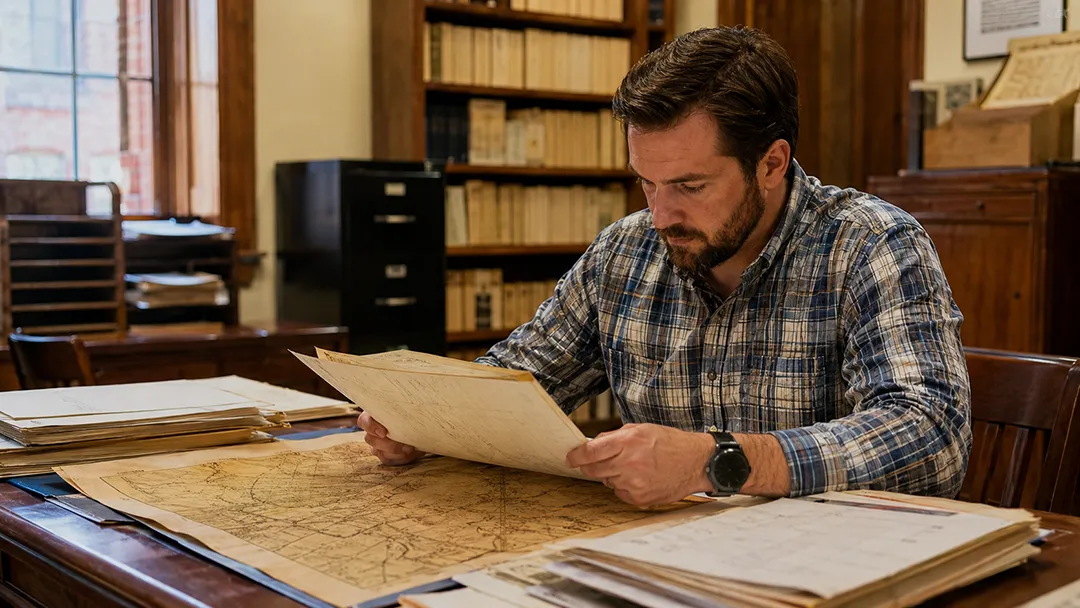
You cannot capitalize on the modern energy market with flawed historical paperwork. Managing 75 years of county courthouse records, interpreting vintage cursive deeds, and navigating the complexities of multi-generational probate law requires specialized expertise. This is exactly where professional landmen become indispensable.
Our team specializes in comprehensive Title Curative and Abstracting services designed to solve these exact historical puzzles. We do not rely on simple internet searches. Our seasoned landmen physically and digitally navigate county clerk offices, tracing your specific chain of title all the way back to the original land patents and those very first leases from the 1950s.
If your mineral rights are clouded by unrecorded wills, missing heirs, or typographical errors from a 1970s deed, we perform the rigorous “Title Curative” work necessary to fix it. We compile detailed run sheets and work alongside legal professionals to secure formal Title Opinions. By actively clearing these decades-old defects, we ensure that energy operators recognize you as the definitive, legal owner, allowing your suspended royalties to be released and paving the way for lucrative new lease negotiations.
Furthermore, if your family’s historical land is now being evaluated for modern midstream infrastructure, such as new pipelines or EOR injection sites, our professional surface landmen will ensure your surface property is protected and that you are fairly compensated for any right-of-way usage or surface damages.
Conclusion
The 75th anniversary of the Clarence Iverson discovery is a testament to the resilience, innovation, and enduring value of North Dakota oil. What started as a wildcat dream in 1951 has built a modern economic powerhouse.
However, the true value of this industry lies beneath the surface, both literally in the shale rock and figuratively in the complex historical deeds housed in county courthouses. For today’s mineral owners, protecting that 75-year legacy means ensuring your title is flawless. Do not let decades of fractionalization and missing probate records separate you from your rightful royalties.
Take control of your family’s history. Visit BJK Adrmas Inc. today to connect with our expert team of landmen. We will help you verify your historical ownership, clear your title, and ensure that your subsurface wealth is legally protected and highly profitable for the next 75 years.