Mineral Rights Title Search: How to Look Up Your Ownership

Conducting a mineral rights title search is an essential step for property owners, because under the “Split Estate” law in the United States, purchasing a house or a farm does not automatically mean you own the valuable resources beneath the surface. If you want to know exactly what you own, this legal investigation is the only way to solve the mystery of your subsurface ownership.
What is a Mineral Rights Title Search?
A mineral rights title search is an exhaustive legal investigation into the historical ownership of a specific tract of land. It is not a simple internet query. Instead, a professional mineral rights title search traces the “Chain of Title” (the sequence of historical transfers) from the current surface owner all the way back to the original land patent issued by the U.S. government, often dating back to the late 19th century.
Free Mineral Rights Search by State: Can You Do It Yourself?
Many landowners look for a “free mineral rights search by state” online. While state-run resources and county tax registries are excellent free tools, they have severe limitations. They can show you the current surface taxpayer or display active drilling rigs on a map, but they cannot show you historical subsurface ownership. A free database cannot replace a comprehensive, legal mineral rights title search because it does not track generational heirship or inherited percentages.
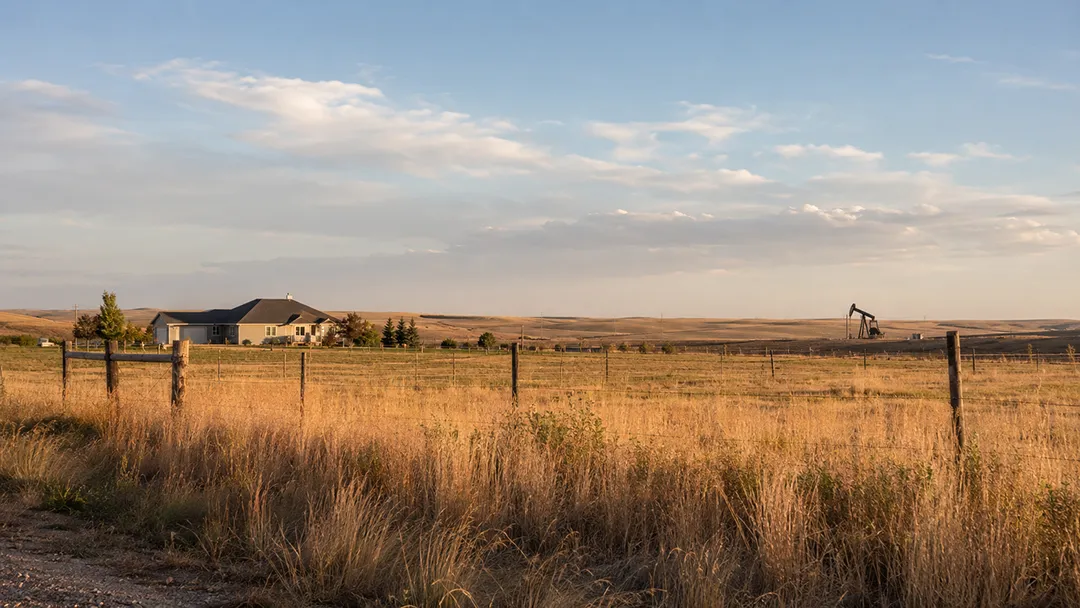
How Do I Find Out Who Owns the Mineral Rights to My Property?
If you want to uncover the true owner of the subsurface estate, you must follow a strict investigative process.
Step 1: Start With Your Surface Deed
Examining your current paperwork is the first logical step in any mineral rights title search. Look through your home archives or the files provided by your title company when you purchased the property. Read your surface deed carefully and look for clauses labeled “Exceptions” or “Reservations.” If you see legal phrasing such as “subject to prior mineral reservations” or “less and except all oil, gas, and minerals,” the subsurface rights were severed before you bought the land.
Step 2: Search the County Clerk and Recorder’s Office
To continue your mineral rights title search, you must visit the County Courthouse where the land is located (or use their official online portals, if available). In the Clerk and Recorder’s office, you will use the “Grantor/Grantee” (Seller/Buyer) indexes. You must trace the deeds backward in time, linking every seller to the previous buyer, century by century.

Step 3: Track the “Severance” of the Mineral Estate
While reading historical deeds, you are looking for the exact moment of “Severance.” This is the specific historical deed where a landowner sold the surface property to someone else but explicitly wrote that they were retaining the mineral rights for themselves. Once you find this severance point, you stop tracking the surface land. Instead, you track the individual who kept the minerals, moving forward in time through their heirs using probate records and wills to see who owns those rights today.
Step 4: Cross-Reference with State and Federal Databases
To see if those minerals are currently generating money, you can cross-reference your findings with state and federal energy records. You can input your property’s legal description (Section, Township, Range) into federal systems like the Bureau of Land Management (BLM) records or state-specific registries such as the North Dakota Industrial Commission (NDIC). If there is an active well or lease, the oil company already knows who owns the rights and is paying them royalties.
The Hidden Dangers in a DIY Mineral Rights Title Search
Attempting a DIY mineral rights title search can lead to costly mistakes. County courthouse records are massive libraries of raw data, not organized summaries. You will likely encounter illegible cursive handwriting from the 1920s, unprobated wills that legally halt the chain of title, and extreme fractionalization, where one original owner’s rights have been divided among 50 different descendants over four generations. Missing a single decimal point or misinterpreting a vintage deed can invalidate a legal contract.

Why You Need a Professional Mineral Rights Title Search
Before you sign an oil and gas lease or attempt to buy subsurface assets, you need absolute legal certainty. This is where professional landmen step in.
By utilizing expert oil and gas services, seasoned landmen will handle the tedious archival research for you. They compile all courthouse documents into a detailed “Runsheet” and work alongside attorneys to cure any defects in the chain of title. This process culminates in a formal Title Opinion, which guarantees your mineral rights title search is legally bulletproof and accepted by major energy operators.
Conclusion
The true financial value of your property is often hidden deep in historical courthouse records. A certified mineral rights title search ensures that your chain of title is flawless, protecting you from legal liabilities and securing your rightful subsurface wealth for generations to come.