North Dakota Hits Record 20,177 Producing Oil Wells: What Mineral Owners Should Know
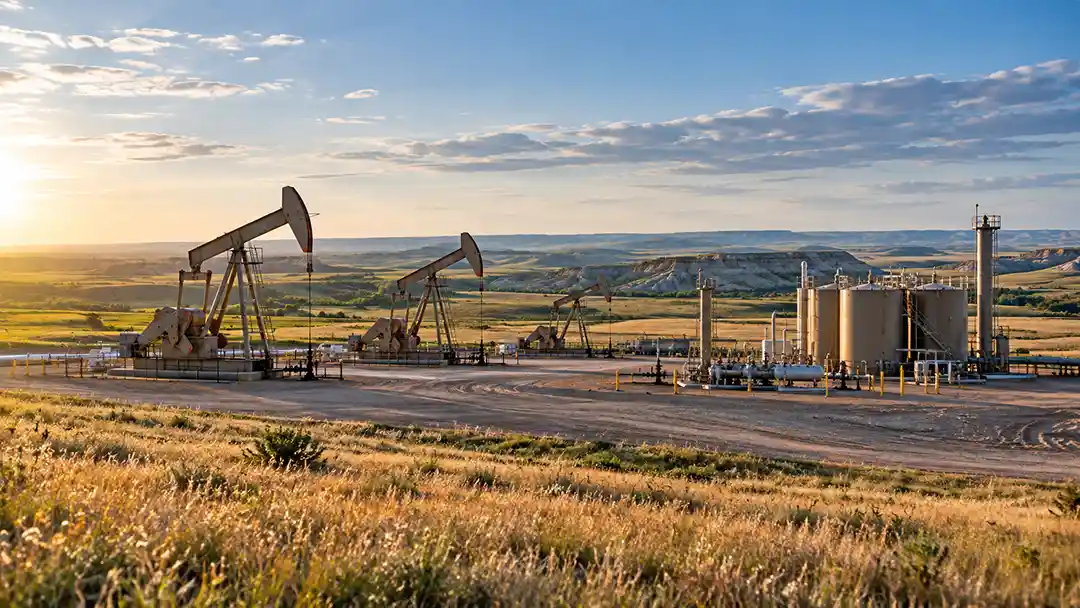
The North Dakota Department of Mineral Resources (DMR) announced a major milestone in its October 2026 Director’s Cut briefing: the state reached an all-time high of 20,177 producing oil wells in August, an increase of 105 wells over July. This announcement established an all-time high for North Dakota producing wells, signaling ongoing operational activity across the Williston Basin. Statewide output held steady, averaging approximately 1.16 million barrels of oil per day (BOPD). This announcement established a new milestone for North Dakota record producing oil wells, signaling ongoing operational activity across the Williston Basin.
For mineral and surface owners across core Bakken counties – such as McKenzie, Mountrail, Williams, and Dunn – a record well count sounds like an immediate economic win. However, headline industry statistics do not always mirror what lands in your mailbox. Translating statewide milestones into individual financial reality requires looking past aggregate numbers to examine what is actually happening on your acreage.
Why More North Dakota Producing Wells Don’t Mean Bigger Checks
The central reality of oilfield production is the decline curve. Bakken horizontal wells typically deliver their highest output during their early production phase, followed by steep initial declines that gradually moderate over time. Because thousands of the 20,177 producing wells statewide are mature horizontal wells operating deep into their natural decline curves, high well counts do not necessarily correlate with large individual production volumes.
An operator may keep an older well active producing modest volumes because it remains marginally profitable to operate. For a mineral owner holding a small fractional interest, that output translates into modest monthly checks.
Furthermore, statewide figures reflect drilling programs spread across entire formations. If operators focus capital expenditure on new multi-well pad completions miles away from your tract, your property does not share in that new volume. While field-scale initiatives can help, understanding how enhanced oil recovery affects royalty payments reveals that secondary or tertiary methods may only extend the lifespan of certain qualifying units. Volume on any single tract remains tied to local geology, well age, and operator schedules – not state totals.
What Mineral Owners Should Verify on Their Check Stubs
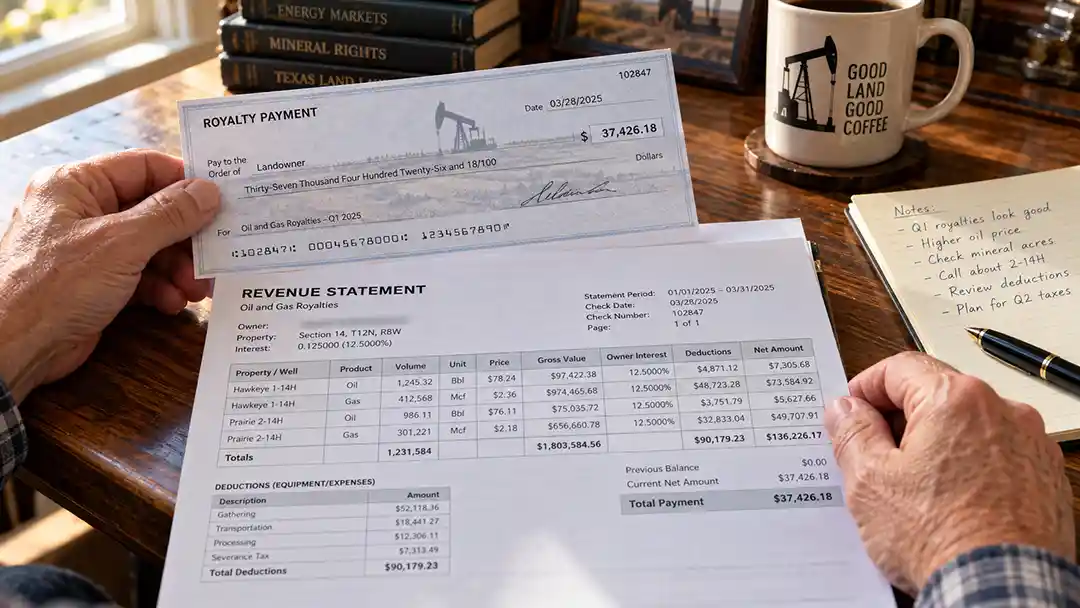
As fields mature, surface operations become more interconnected. Operators frequently drill infill wells and tie multiple laterals into shared facilities. That operational complexity can make it more difficult for mineral owners to verify how production volumes and royalty payments are calculated.
Under North Dakota law (NDCC § 38-08-06.3 and NDAC Chapter 43-02-06), mineral owners are entitled to detailed royalty-owner statements. When reviewing your check stubs, pay close attention to three critical areas:
1. Decimal Interest & Spacing Unit Statements
Under NDAC § 43-02-06-01.1, royalty owners are entitled to an ownership interest statement identifying the spacing unit and decimal interest. If an operator alters a spacing unit, pools additional acreage, or brings new infill wells online, your decimal interest may change. Unresolved title issues or unit revisions are common reasons funds are placed in suspense. Verify your decimal interest against your recorded title whenever new drilling occurs in your unit.
2. Production Volumes & Realized Pricing
Compare the gross volumes and realized prices on your statement against public records. Confirm that the gross oil, natural gas, and Natural Gas Liquids (NGLs) credited to your tract align with metered sales, and check whether your realized per-barrel price tracks regional pricing indexes.
3. Post-Production Deductions (PPCs)
Under North Dakota legal precedent, including Bice v. Petro-Hunt, certain post-production costs may be deducted when calculating royalties, depending on the specific lease language and applicable law. Crucially, NDAC § 43-02-06-01 requires payors to itemize the amount and purpose of each deduction – such as compression, processing, gathering, or transportation.
Deductions remain a major focus for North Dakota landowners. On October 2, 2026, the North Dakota Supreme Court heard oral arguments in a lawsuit against Hess, where plaintiffs allege post-production deductions rose from under 2% to over 30% on certain statements. Hess strongly disputes the allegations, asserting the deductions are contractually and legally permitted, and justices during oral arguments expressed skepticism regarding the plaintiffs’ legal theories. While the court has not yet issued a ruling, the case underscores why owners should review unexplained deduction codes or sudden spikes in processing fees.
Surface Rights: Managing the Footprint of North Dakota Producing Well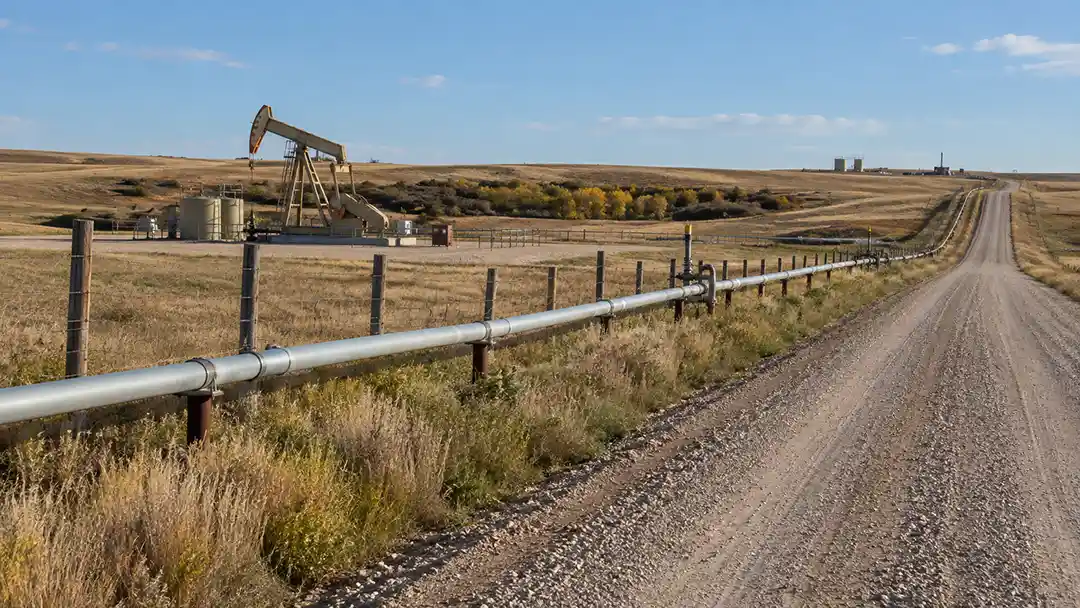
While mineral owners focus on monthly statements, surface owners accommodate the physical footprint of active North Dakota producing wells. Sustaining thousands of producing wells requires ongoing maintenance, localized road usage, and continuous saltwater gathering.
The North Dakota Oil and Gas Production Damage Compensation Act (NDCC Chapter 38-11.1) provides surface owners with statutory notice and compensation protections for certain oil and gas operations. The specific requirements depend on the proposed activity, existing surface agreements, and the nature of the disruption. An operator’s right to develop minerals does not give them unlimited authority to expand facility pads or install unapproved gathering pipelines without proper notice and damage compensation. Reviewing your existing Surface Use Agreements ensures expanding surface operations remain within contractual boundaries.
Actionable Checklist: 3 Steps to Audit Your Interests Today
Take these practical steps following this latest production milestone:
- Audit Your Recent Statements: Pull check stubs from the last three to six months. Check that each deduction code is clearly itemized and verify that your decimal interest has not shifted without notice.
- Review Public Well Activity: Use the free monthly aggregate reports and DMR Well Search to verify whether wells on your spacing unit are actively producing. Detailed historical production records may require subscription databases or specialized review.
- Confirm Recorded Title Documents: Review recorded deeds, probate documents, and assignments with the appropriate County Recorder’s Office to help identify ownership discrepancies that could delay royalty payments or cause funds to be held in suspense.
Frequently Asked Questions
Does a record count of producing wells mean North Dakota oil production is at an all-time high?
No. While producing wells reached a record 20,177, statewide output averaged approximately 1.16 million BOPD in August 2026. That remains below North Dakota’s historical peak of roughly 1.52 million BOPD set in November 2019, when initial flush production from newly completed wells was substantially higher across the basin.
Why did my royalty check decrease if the state has more producing wells than ever?
Your royalty payments depend on production attributable to your specific mineral interest, prevailing commodity prices, your lease royalty percentage, and any legally allowable deductions. High statewide well counts do not halt the natural reservoir pressure decline of mature wells on your tract.
How can I verify if my well is actively producing?
You can verify status using the NDIC Oil and Gas Division’s online Well Search tool. Search by well name, operator, or legal location (Section, Township, Range) to confirm whether your well is classified as active/producing (“A”), shut-in (“SI”), or inactive (“IA”), and to view recent public volume filings.
Questions About Your Royalty Payments? Talk to Our Team
Verifying division orders, identifying unlisted check deductions, and protecting surface property requires local experience. B.J. Kadrmas Inc. provides independent mineral management services across North Dakota, helping landowners audit royalty statements, resolve title concerns, and safeguard generational asset value.
Contact B.J. Kadrmas Inc. today to discuss your royalty statements or lease agreements with our mineral management specialists.
Disclaimer: The information in this article is provided for general educational purposes only and does not constitute formal legal, tax, or investment advice. Oil and gas lease provisions, statutory rights, and court rulings vary. Always consult with a qualified oil and gas attorney or professional advisor regarding your specific property.