Primary vs Secondary vs Tertiary Oil Recovery: Stages, Real Factors, and Field Lifespans
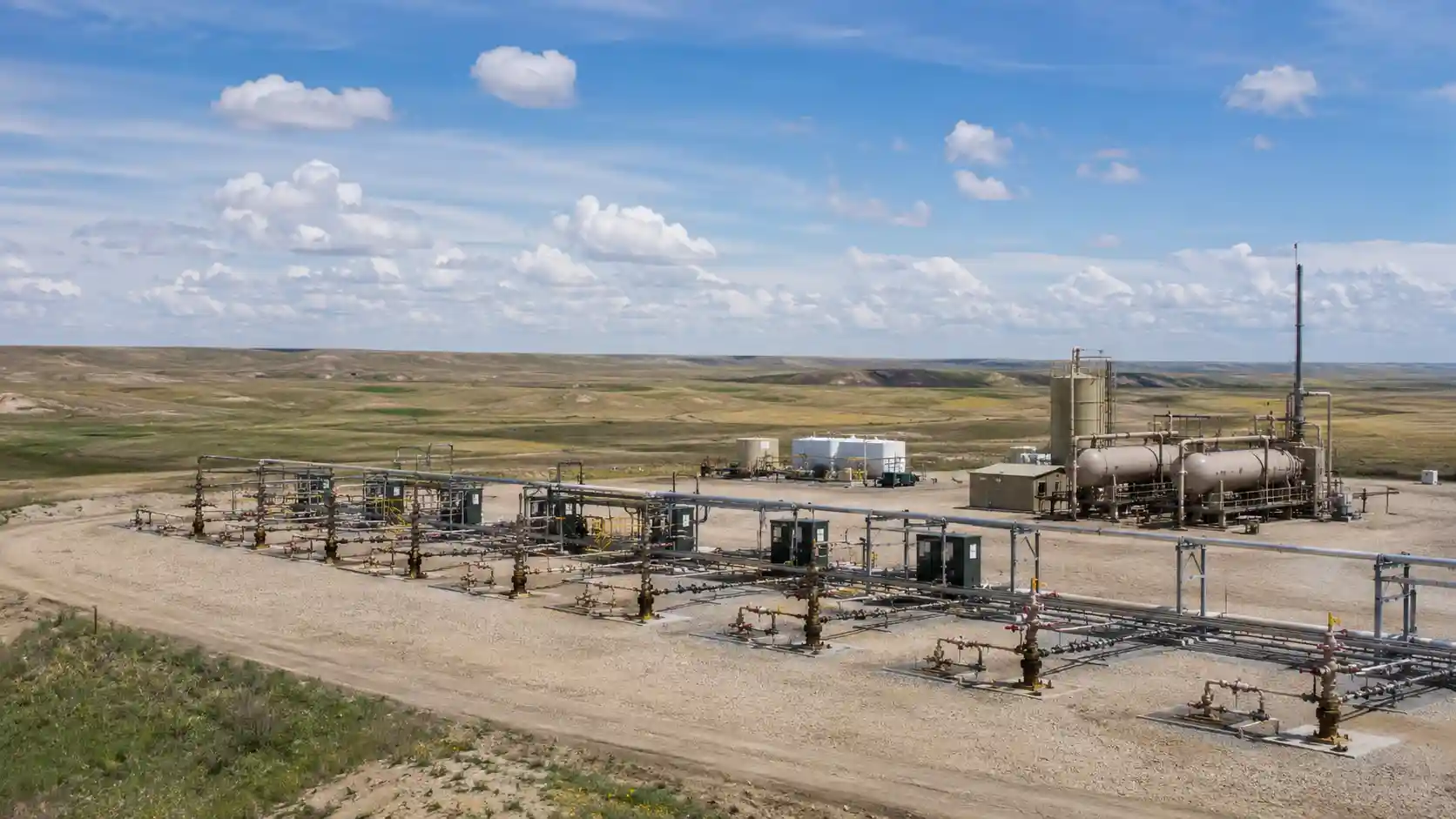
When evaluating long-term property value, understanding primary vs secondary vs tertiary oil recovery is essential for every mineral and surface owner in the United States. From conventional sandstone reservoirs in Texas to unconventional tight-shale formations in North Dakota, every oil reservoir progresses through up to three physical extraction phases.
For mineral owners and surface rights holders, these stages dictate far more than subsurface engineering. The extraction phase currently in use determines well pressure, how rapidly production declines, and how many years a field will remain physically productive.
Before examining how specific field operations function on your tract, understanding the core fundamentals of what is oil recovery provides the essential baseline for how reservoirs behave over time. This article breaks down the three stages of recovery, compares conventional vs. tight-shale performance, and walks through a real-world case study to track physical oil volumes across a field’s lifespan.
Quick Comparison: Recovery Stages Across Conventional & Tight Shale Fields
To understand how much oil is extracted at each stage, it is critical to separate conventional reservoirs (porous sandstone or limestone) from unconventional tight-shale reservoirs (such as the Bakken Formation or Permian Basin).
The Tight-Shale Reality: In conventional fields, secondary and tertiary recovery are routine, decades-old practices. In ultra-dense tight shale they remain largely experimental. Since 2008, eleven EOR pilots have been run in the Bakken using CO₂, rich gas, propane, surfactant and water. Of the eight that used gas injection, only three were reported as successful; in the rest, injected gas escaped through fractures into neighboring wells rather than building the pressure needed to reach oil in the rock. More recent pilots using improved injection control have performed better. The shale figures below reflect technical potential under pilot conditions, not guaranteed field-wide outcomes; the vast majority of shale wells spend their entire economic lifespan strictly in primary recovery.
| Feature / Metric | Primary Stage | Secondary Stage | Tertiary Stage (EOR) |
| Primary Mechanism | Natural reservoir pressure & mechanical pumping (artificial lift) | Waterflooding or field gas re-injection | CO2 injection, steam (thermal), or cyclic gas flood (Huff-n-Puff) |
| Conventional Recovery (% OOIP) | 10% – 20% | Additional 15% – 25% | Additional 10% – 20% |
| Tight Shale Recovery (% OOIP) | 8% – 12% | Additional 5% – 10% (Experimental) | Additional 8% – 15% (Pilot Potential) |
| Conventional Lifespan | 10 – 30+ years | 10 – 20 years | 15 – 25+ years |
| Tight Shale Lifespan | 20 – 30+ years (steepest decline in first 24–36 months) | 5 – 10 years | 10 – 15 years |
| Primary Impact on Production | High initial flush rates, followed by a decline curve (steeper in shale). | Pressure stabilization; halts rapid decline and flattens out baseline production. | Re-energizes trapped oil; extends physical well lifespan when technically viable. |
Primary vs Secondary vs Tertiary Oil Recovery: Side by Side
When comparing primary vs secondary vs tertiary oil recovery, each phase relies on fundamentally different engineering principles and physical forces to move crude oil out of the underground rock.
1. Primary Oil Recovery: Natural Energy & Artificial Lift
When an operator first drills and completes a well, the underground reservoir is under immense natural pressure.
During primary recovery, natural forces, such as expanding dissolved gas, gas-cap expansion, or natural water drives, force crude oil into the wellbore. In modern unconventional shale plays, operators combine horizontal drilling with hydraulic fracturing (fracking) to create pathways for oil to flow. As natural pressure bleeds off, operators install mechanical pumping equipment (rod pumps, pumpjacks, or electric submersible pumps).
Important Clarification: Installing artificial lift or a pumpjack on a well does not mean it has entered secondary recovery. Artificial lift is a standard part of primary recovery and is often installed on horizontal shale wells within months of initial completion.
- Production Behavior: Primary recovery yields the highest daily production rates (the “initial flush”). However, as gas escapes, natural reservoir pressure drops rapidly.
- The Decline Curve: Conventional vertical wells decline gradually over decades. Unconventional horizontal shale wells follow a steep decline curve, often dropping 60% to 70% from initial peak rates within the first 24 to 36 months.
2. Secondary Oil Recovery: Artificial Pressure Maintenance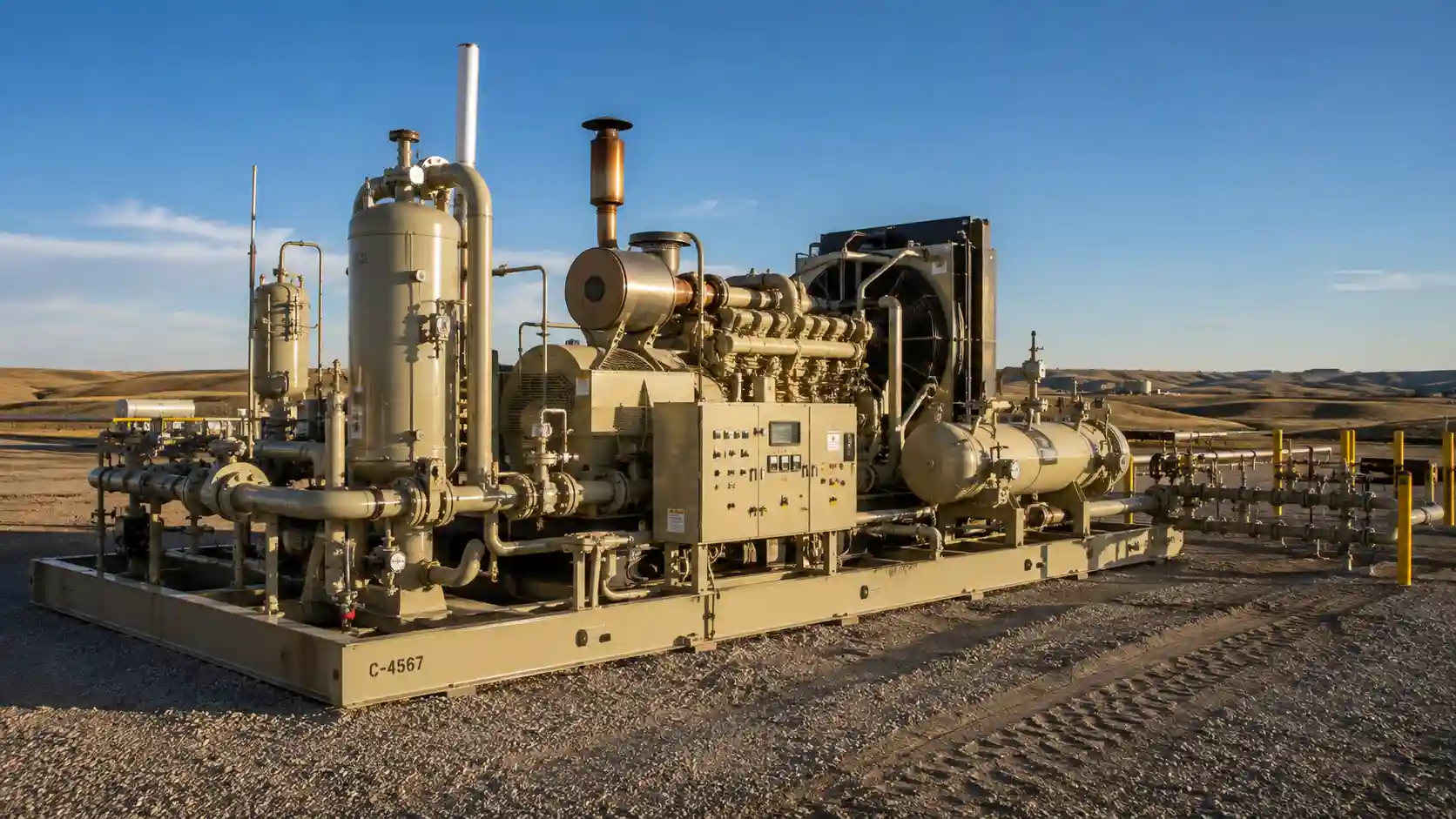
When primary production drops to a point where pumping alone is no longer efficient, operators may attempt secondary recovery. The goal is to inject fluids into dedicated injection wells to push remaining crude oil toward producing wells.
- Waterflooding: In permeable conventional formations, operators inject water to sweep oil toward producing wells. In tight shale, however, water cannot easily penetrate dense rock pores, making traditional waterflooding largely ineffective.
- Gas Re-injection: In tight-shale formations, operators have experimented with re-injecting produced natural gas back into the reservoir to restore pressure.
- Subsurface Reality: After secondary recovery in conventional fields, roughly 55% to 75% of the Original Oil in Place (OOIP) remains underground. In tight shale fields, secondary recovery remains rare, with 78% to 87% of OOIP remaining unrecovered.
3. Tertiary / Enhanced Oil Recovery (EOR): Altering Fluid Physics
When secondary injection methods reach their economic limits (or fail to work in tight rock), operators turn to Enhanced Oil Recovery (EOR). EOR uses advanced thermal, gas, or chemical processes to physically alter the properties of crude oil or rock interfaces.
EOR techniques generally fall into three main categories:
- Gas Injection: Injecting miscible carbon dioxide (CO2), nitrogen, or natural gas liquids (NGLs) to dissolve into crude oil, reducing its viscosity. In tight shale, this is often tested as “Cyclic Gas Injection” (Huff-n-Puff).
- Thermal Recovery: Injecting steam to heat heavy crude oil (common in shallow, heavy-oil vertical fields).
- Chemical Flooding: Injecting polymers or surfactants to wash trapped crude off underground rock surfaces.
Subsurface Reality Check: Even if a tight-shale well successfully undergoes pilot EOR, 63% to 79% of Original Oil in Place (OOIP) remains permanently trapped underground due to severe physical rock limitations.
Case Study: Tracking Recovery Volumes on a 40 NMA Tract (Bakken Example)
To visualize how these extraction stages translate into physical oil volumes over time, let us look at a case study from a 1,280-acre spacing unit in the Bakken Formation.
Scenario Parameters:
- Spacing Unit Size: 1,280-acre spacing unit.
- Property Ownership: 40 Net Mineral Acres (NMA) (representing a 3.125% tract footprint in the spacing unit).
- Target Interval Reserves: Estimated Original Oil in Place (OOIP) of 1,500,000 gross barrels of oil for the targeted zone within the spacing unit.
| Total Reserves (OOIP): 1,500,000 BBLS | |||
| Primary (10%)
150,000 BBLS |
Secondary (7%)
105,000 BBLS |
Tertiary (10%)
150,000 BBLS |
Unrecovered (73%)
1,095,000 BBLS |
Physical Volume Dynamics Across Stages:
Stage 1: Primary Recovery (10% Total OOIP Recovered)
- Gross Unit Production: 150,000 gross barrels.
- Gross Production Attributable to 40 NMA Tract: 4,687 gross barrels.
- Operational Velocity: Over 60% of this primary volume is produced during the first 36 months under high initial pressure.
Stage 2: Secondary Recovery (Additional 7% OOIP Recovered – Technical Potential)
- Gross Unit Production: 105,000 additional gross barrels.
- Gross Production Attributable to 40 NMA Tract: 3,281 gross barrels.
- Operational Velocity: If pressure maintenance is successful, production is spread out over a 5- to 10-year window at modest daily rates.
Stage 3: Tertiary / EOR Stage (Additional 10% OOIP Recovered – Pilot Potential)
- Gross Unit Production: 150,000 additional gross barrels.
- Gross Production Attributable to 40 NMA Tract: 4,687 gross barrels.
- Operational Velocity: EOR re-energizes low-pressure rock zones, adding extended production life to mature wells.
Important Note for Mineral Owners: The figures above represent gross tract volumes produced at the surface from that 40-acre footprint. Your personal royalty check is a small fraction of this volume, determined by multiplying these gross barrels by your specific lease royalty interest (e.g., 3/16 or 18.75%). 
Case Study Summary:
- Total Gross Unit Oil Recovered Across All Stages: 405,000 barrels (27% OOIP).
- Total Gross Unit Oil Remaining Underground: 1,095,000 barrels (73% OOIP).
Key Factors That Determine EOR Feasibility
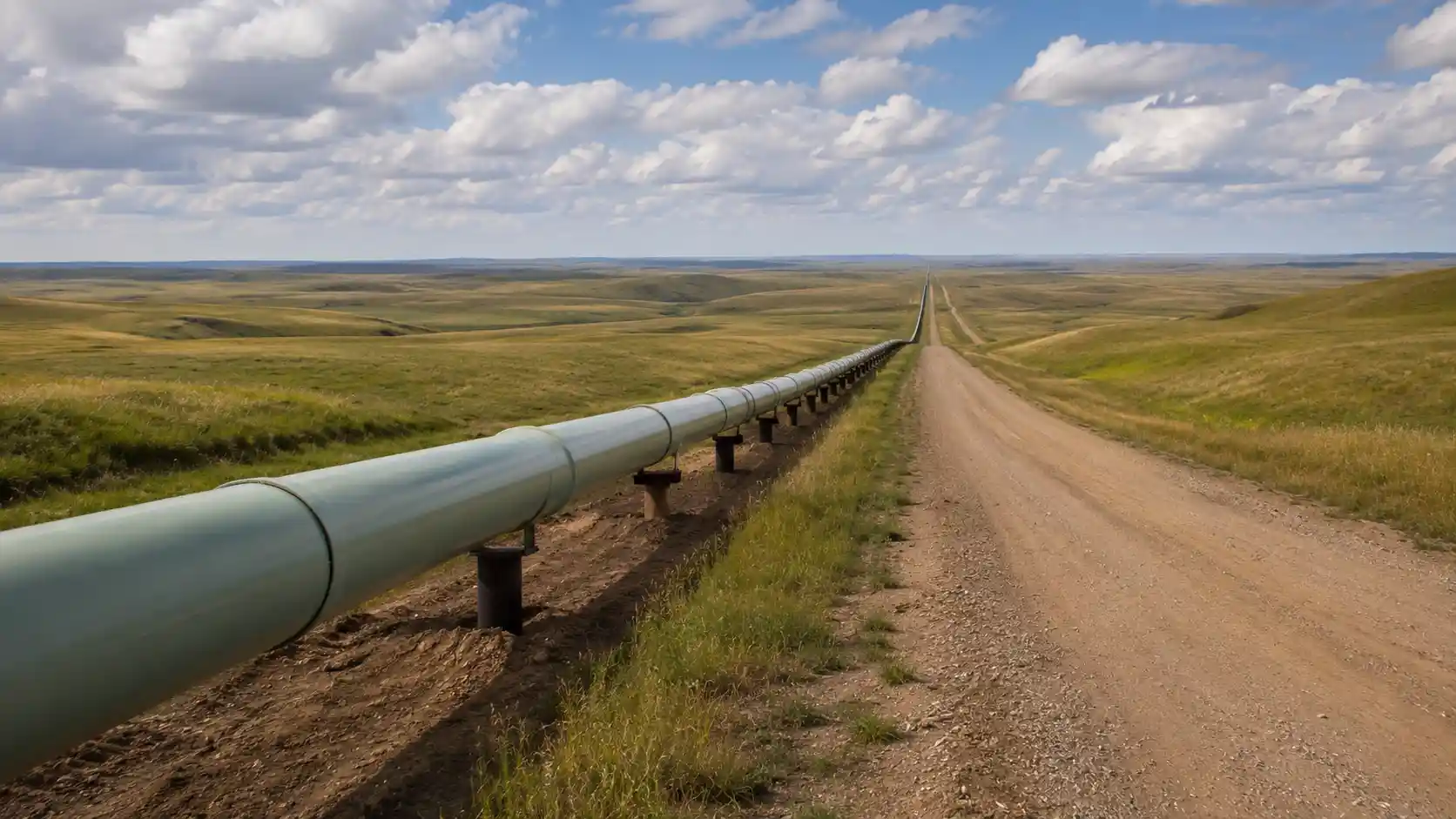
While EOR technology offers technical promise, operators do not deploy tertiary methods on every well due to three main barriers:
- Subsurface Geology & Gas Breakthrough: EOR requires tight geological control. In naturally fractured shale, injected gas often takes the path of least resistance (“thief zones”) and breaks through directly into producing wells without sweeping oil out of the rock pores.
- Capital Expenditure (CAPEX) vs. Oil Prices: EOR projects require millions of dollars in upfront investment for compressors, injection infrastructure, and gas supplies. When oil prices drop, operators delay high-risk EOR projects in favor of drilling new primary horizontal wells.
- State Regulatory Approvals: Transitioning a field to secondary or tertiary recovery requires formal unitization agreements and environmental permits from state regulatory bodies, such as the North Dakota Industrial Commission (NDIC) or the Railroad Commission of Texas.
Frequently Asked Questions About Recovery Stages
Is tertiary recovery the exact same thing as EOR?
In general industry usage, yes. While “tertiary” technically refers to the third chronological stage of extraction, Enhanced Oil Recovery (EOR) refers to the specific advanced techniques (gas injection, thermal, chemical) used to alter fluid physics. Today, the terms are used interchangeably.
How much oil is left in the ground after primary recovery?
In conventional reservoirs, roughly 80% to 90% of original oil remains after primary extraction. In tight-shale plays like the Bakken or Permian, primary horizontal fracturing recovers 8% to 12% of OOIP, leaving roughly 88% to 92% of the oil trapped in dense rock until secondary or tertiary methods are proven viable.
Does installing a pumpjack mean my well entered secondary recovery?
No. Mechanical pumps, pumpjacks, and electric submersible pumps are forms of artificial lift, which are standard mechanical components of primary recovery. Secondary recovery only begins when fluids or gases are injected into other wells to repressurize the underground formation.
Need Help Understanding Your Property’s Production Lifecycle?
Deciphering production reports, NDIC regulatory filings, and well lifespan projections requires specialized market insight. B.J. Kadrmas Inc. helps mineral owners analyze well performance, review lease terms, and make informed asset decisions.
Contact B.J. Kadrmas Inc. Today for a Free Asset Consultation