What is Oil Recovery? A Complete Mineral Owner’s Guide

What is oil recovery? At its core, oil recovery refers to the entire engineered process of extracting crude oil from underground rock formations and bringing it to the surface.
Discovering that your property holds oil reserves, or inheriting mineral rights on an active tract is an exciting milestone. However, the recovery process doesn’t end when the initial drilling rig packs up. Over the lifespan of a producing field, oil companies employ evolving recovery methods that directly dictate how long your wells produce, how much your monthly royalty checks will be, and how much equipment sits on the land.
In the United States, mineral rights and surface rights are often severed (known as a “split estate”). Whether you hold passive mineral rights from across the country or own the surface where active drilling takes place, understanding how oil recovery works, and knowing what happens if you find oil on your property is essential to protecting your long-term financial interest.
What Is Oil Recovery? (Core Overview)
To understand what oil recovery is, it helps to dispel a common myth. Many people assume that an oil well works like a straw in a cup, once you puncture the reservoir, all the oil flows out naturally until the underground pool is empty. In reality, oil is trapped inside tiny, porous spaces within solid rock deep beneath the earth. Extracting it requires immense pressure, engineered fluids, and evolving technology over several decades.
Why Wells Don’t Produce at 100% Rate Forever
When a well is first drilled, natural underground pressure pushes the crude oil to the surface easily. However, just like opening a carbonated soda bottle, that initial pressure gradually bleeds off. As pressure drops, production slows down.
Without human intervention, up to 85% to 90% of the oil in a reservoir could remain permanently trapped in the rock. To harvest those remaining reserves, operators transition through three distinct phases of recovery.
The 3 Stages of the Recovery Lifecycle
- Primary Recovery: Relying on natural reservoir pressure and basic mechanical pumping.
- Secondary Recovery: Injecting water or natural gas to artificially restore underground pressure.
- Tertiary / Enhanced Oil Recovery (EOR): Using advanced thermal, chemical, or gas injection techniques to alter the oil’s properties so it flows more freely.
The Three Phases of Oil Recovery Explained
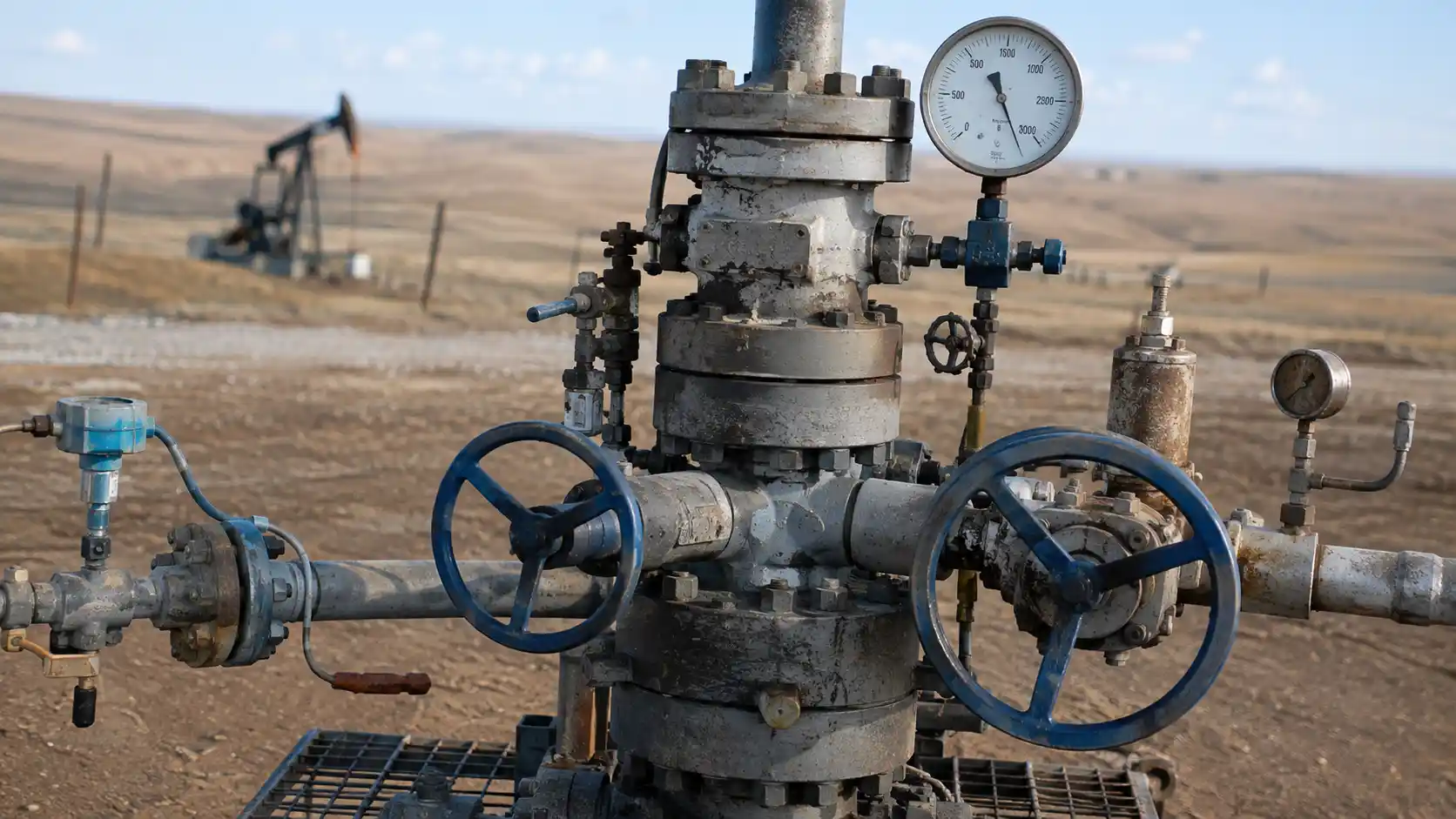 Understanding which recovery phase your operator is currently using helps you anticipate changes to your land and your monthly royalty statements.
Primary Recovery: Harnessing Natural Pressure
When a well is first completed, natural underground forces, such as expanding dissolved gas, natural water drives, or gravity, force oil into the wellbore.
- Equipment used: Standard pumpjacks (nodding donkeys) or submersible pumps.
- Extraction rate: Typically recovers only 5% to 15% of the total oil present in the reservoir (Original Oil in Place – OOIP).
- Impact: Minimal surface footprint after initial drilling is complete; production rates are highest during this early window.
Secondary Recovery: Water & Gas Injection
Once natural reservoir pressure drops to a point where oil stops flowing efficiently, operators move to secondary recovery.
- How it works: Operators drill or convert nearby wells into “injection wells.” They pump water (waterflooding) or natural gas back into the formation to push the remaining crude toward producing wells.
- Extraction rate: Recovers an additional 15% to 30% of the reservoir’s oil.
- Impact: May require additional injection wells, fluid handling facilities, and pipelines across the surface.
Tertiary / Enhanced Oil Recovery (EOR): Unlocking Trapped Reserves
When secondary methods lose effectiveness, operators turn to Enhanced Oil Recovery (EOR). EOR doesn’t just push the oil; it changes the physical relationship between the oil, water, and rock.
- Thermal Recovery: Injecting steam to heat heavy crude, making it thinner and easier to pump.
- Gas Injection: Pumping carbon dioxide (CO2) or nitrogen into the reservoir. The gas dissolves into the oil, reducing its viscosity and swelling its volume so it moves easily.
- Chemical Flooding: Injecting specialized polymers or surfactants (detergent-like chemicals) to lower surface tension and wash oil off underground rocks.
- Extraction rate: Can recover an additional 30% to 60% of the original oil in place, drastically extending the life of mature fields.
How Oil Recovery Stages Impact Your Royalty Payments
For mineral owners, the transition between oil recovery phases is one of the most critical economic events in a well’s lifecycle.
Extending Well Lifespan vs. Revenue Expectations
A standard oil well follows a steep “decline curve” – production drops rapidly during the first 24 to 36 months of primary recovery. Without secondary or tertiary intervention, that well might become economically unviable within a few years.
When an operator announces an EOR program, it can breathe 10 to 20 years of new life into a field that was nearing abandonment. For mineral owners, this means continuing to receive monthly royalty checks for decades instead of watching production dry up completely.
Market Prices, Operator Deductions, and Realistic Revenue

While tertiary recovery extends a well’s lifespan, it is vital to maintain realistic financial expectations:
- Commodity Price Dependency: EOR projects require millions of dollars in capital expenditure (CAPEX). If crude oil prices drop significantly, an operator may shut down EOR operations or delay new injection cycles, directly reducing your monthly yield.
- Post-Production Costs: Depending on the language in your lease agreement, operators may deduct expenses related to treating, compressing, or transporting gas and water used in EOR operations.
- No Geologic Guarantees: EOR is complex. Even multi-million dollar EOR programs sometimes fail to yield expected production increases due to complex underground geological faulting.
Building a portfolio around long-term mineral ownership requires navigating these shifting cycles. To understand how long-term production shapes overall asset performance, explore our article on Oil and Gas Royalty Investment.
Surface Rights & Property Impact During Recovery Operations
Note for Mineral Owners: In the U.S., mineral rights and surface rights are frequently severed. If you strictly own mineral rights and do not live on the land, surface operations will not disrupt your physical property. However, if you own the surface rights (or own both surface and minerals), advanced recovery operations bring operational factors to consider.
Equipment Footprint: What Changes on the Land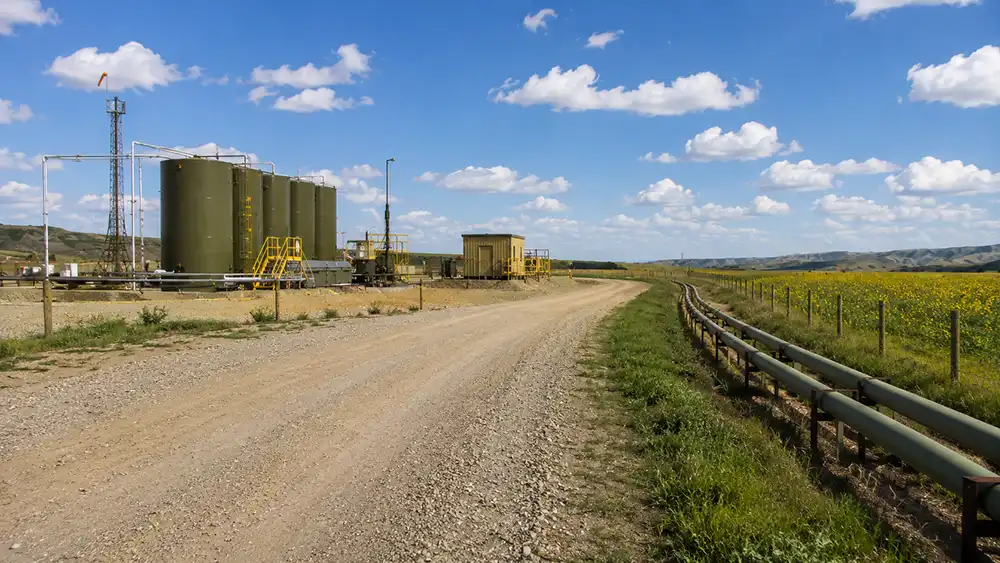
During primary production, surface infrastructure remains compact. As operators transition into secondary and tertiary recovery, physical footprints often expand to include water treatment facilities, CO2 compressor stations, storage ponds, and additional surface pipelines.
Protecting Your Land with Surface Use Agreements (SUA)
Under the legal doctrine of Mineral Estate Dominance, mineral owners (and their operating lessees) have the implied right to use as much of the surface as reasonably necessary to extract underground minerals.
However, surface owners do not have to accept uncompensated disruption. Before an operator installs new EOR infrastructure:
- Negotiate a Surface Use Agreement (SUA): Establish clear boundaries for roads, pipelines, and heavy equipment.
- Secure Surface Damage Compensation: Obtain fair financial compensation for crop loss, land compaction, or timber removal.
- Mandate Remediation Terms: Require operators to restore the land surface once operations conclude.
Strategic Decisions for Mineral Owners: Selling vs. Holding Rights
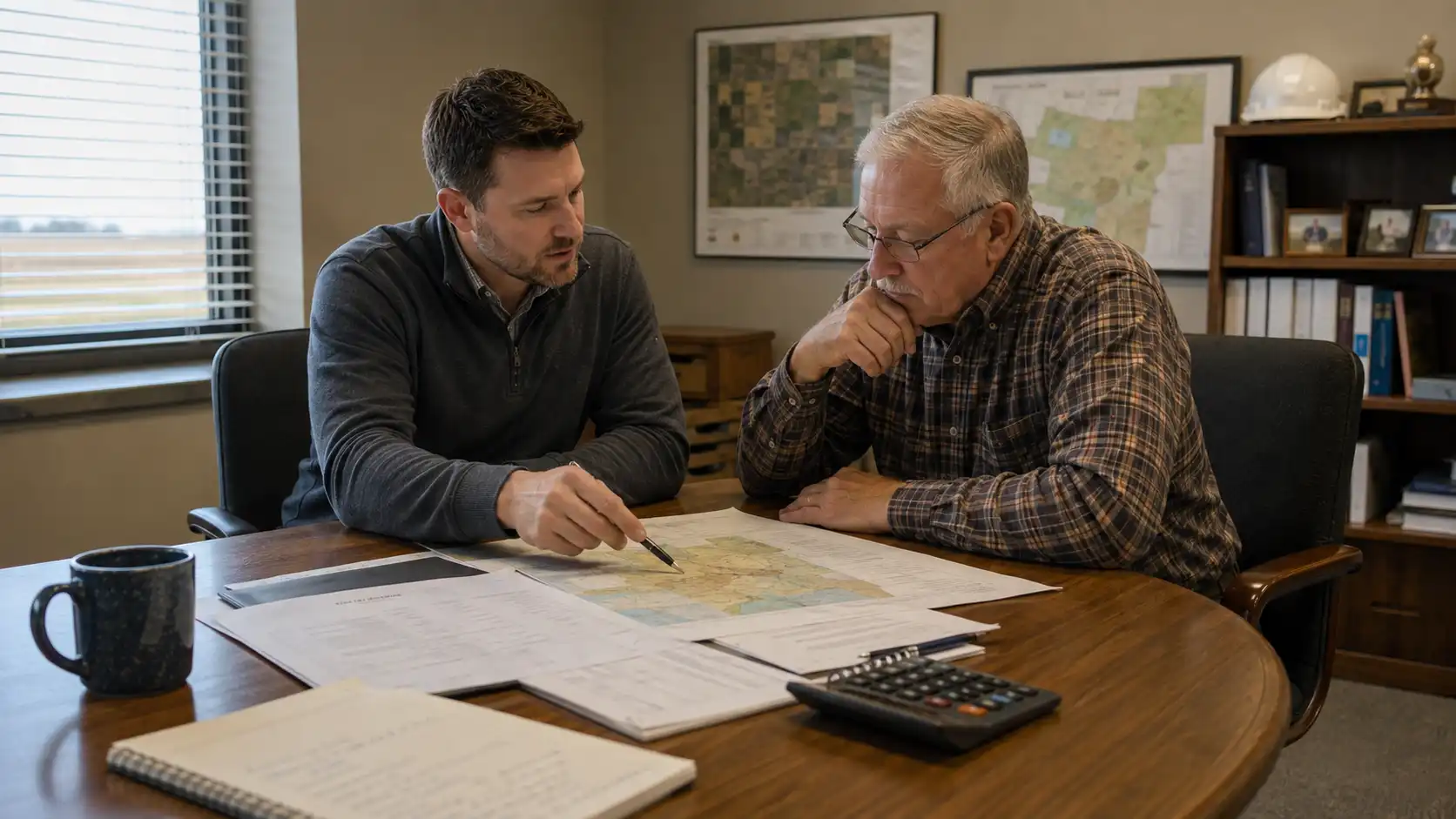
When an operator announces plans for secondary or tertiary recovery on your acreage, you face a major strategic junction: Should you hold your mineral rights for long-term royalties, or capitalize on the news and sell?
Evaluating the “Peak Valuation” Opportunity
The announcement of an EOR project often creates a unique window of heightened market interest. Mineral buyers and institutional investors recognize that EOR could trigger a new surge in oil production. As a result, offers to buy your mineral rights may reach a peak valuation on paper.
Navigating Liquidity vs. Geologic Risk
Deciding whether to hold your mineral rights or sell comes down to balancing financial objectives against operational risks:
- Holding for Royalties: Ideal if you do not need immediate capital, expect oil prices to remain strong, and are comfortable taking on the geologic and operational risks of EOR over the next 10 to 20 years.
- Selling for a Lump-Sum: Ideal if you prefer guaranteed, tax-advantaged upfront capital today, eliminating the risk of EOR technical delays, underperforming wells, or commodity price drops.
Checklist: Essential Questions to Ask Your Operator
When an oil company notifies you of changes in recovery operations or requests access for new infrastructure, use this checklist before signing any documents:
- Recovery Stage: “Is this new project classified as secondary (water/gas injection) or tertiary (EOR) recovery?”
- Timeline & Expectations: “What is the projected timeline for initial injection, and when do you anticipate first production response?”
- Surface Expansion: “Will this project require new injection wells, CO2 tanks, water ponds, or additional roads on my surface tract?”
- Surface Compensation: “What is the proposed Surface Damage Agreement structure for the new footprint?”
- Deductions: “Will any post-production costs or processing fees associated with EOR chemicals/gas be deducted from my royalty statements?”
- Environmental Safeguards: “What baseline water testing and soil protocols are in place prior to injection to ensure compliance with the state oil and gas regulatory commissions?”
Conclusion: Protecting Your Financial Interest Through Every Recovery Stage
The lifecycle of an oil field is a marathon, not a sprint. From initial natural pressure during primary recovery to advanced CO2 and thermal floods during EOR, each phase brings distinct financial implications, legal considerations, and operational footprints to your land.
Succeeding as a mineral or surface owner requires proactive management. Understanding how these technical transitions affect your royalty checks and asset valuation ensures you stay in the driver’s seat, whether you choose to hold your rights for decades or liquidate at peak market value.
Need Expert Guidance on Your Mineral Property?
Navigating lease terms, evaluating buyout offers, or negotiating surface damage agreements requires specialized market insight, B.J. Kadrmas Inc. helps landowners and mineral owners make informed, profitable decisions at every stage of the oil recovery lifecycle.
Contact B.J. Kadrmas Inc. Today for a Free Asset Evaluation & Lease Review
Disclaimer
The information provided in this article is for educational and informational purposes only and does not constitute formal legal, tax, or financial advice. Oil and gas geology, lease terms, and local state regulations vary significantly. Always consult with a qualified oil and gas attorney or professional advisor regarding your specific situation before executing agreements or selling mineral assets.