Enhanced Oil Recovery: The $157M Push to Boost North Dakota Production
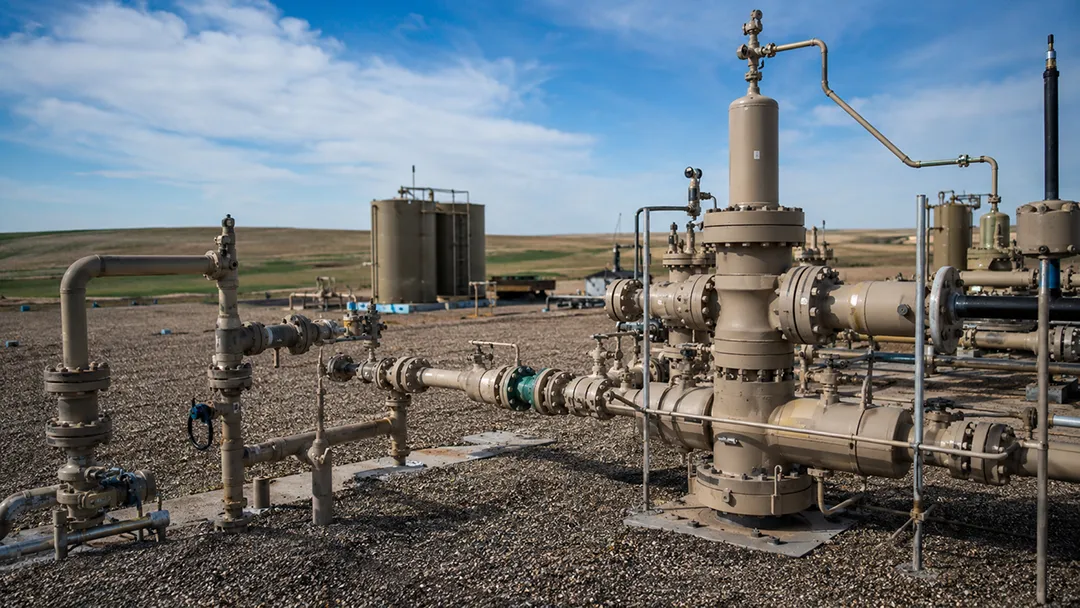
The energy landscape in North Dakota is entering a transformative new era. This year, a monumental $157 million public-private research initiative officially launches to secure the long-term future of the Bakken formation. Backed by federal, state, and private investments, this landmark effort centers around enhanced oil recovery technologies designed to maximize production from existing assets.
For oil and gas operators, forward-thinking investors, and engineering firms across the Williston Basin, this initiative represents a major leap forward. It provides the financial and scientific backing needed to optimize subsurface extraction while driving commercial growth. This comprehensive guide breaks down what this $157 million investment means for the industry and how infrastructure design must evolve to support these advanced enhanced oil recovery methodologies.
Inside the $157 Million Bakken Research Initiative
This massive research campaign is spearheaded by the Energy & Environmental Research Center (EERC) at the University of North Dakota (UND). It represents a highly collaborative partnership between the public sector and energy producers who are committed to long-term resource sustainability.
The financial foundation of the project includes a significant $36 million grant from the U.S. Department of Energy (DOE) Office of Fossil Energy and Carbon Management. The remaining funding is fueled by the State of North Dakota via the North Dakota Industrial Commission (NDIC) alongside substantial matching commitments from private industry leaders. Rather than focusing on drilling unproven wildcat acreage, this capital is directly targeted at developing scalable technologies that maximize the output of wells that are already in operation.
Why the Bakken Needs Enhanced Oil Recovery
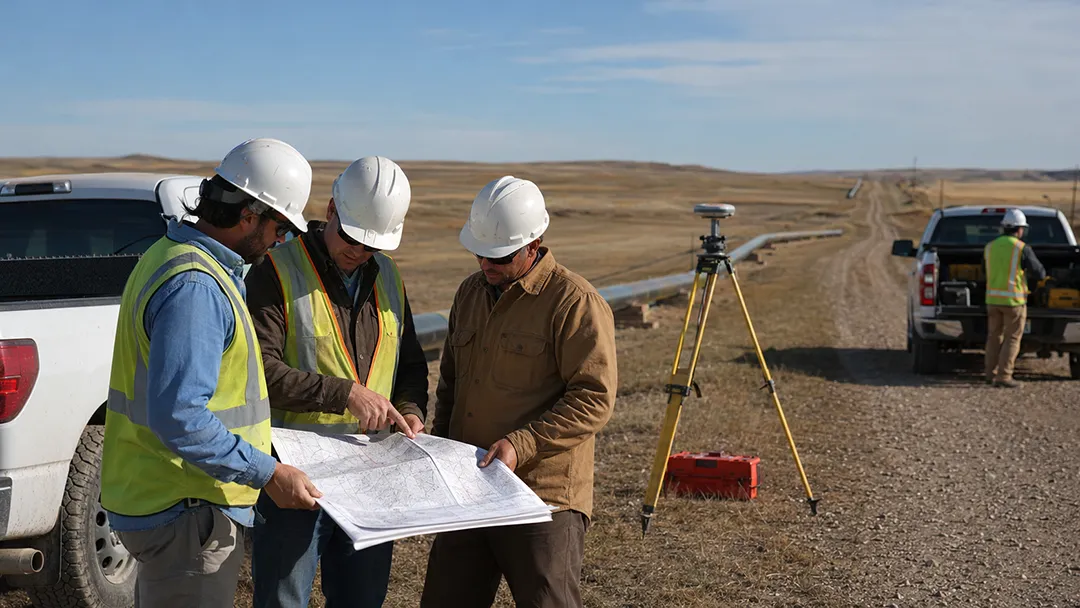
North Dakota’s energy producers have achieved remarkable success utilizing horizontal drilling and multi-stage hydraulic fracturing. However, the ultra-dense nature of tight shale means that primary production methods typically extract only a small fraction of the total oil present in the reservoir, leaving substantial reserves locked deep within the rock matrix.
This asset configuration creates an incredible opportunity for enhanced oil recovery to safely unlock those untouched resources. As traditional production curves naturally mature over time, implementing sophisticated enhanced oil recovery techniques allows operators to extend the productive lifespan of established fields by decades. This proactive approach ensures that North Dakota remains an economic powerhouse of domestic energy production while maximizing the return on existing wellbore infrastructure.
What This Shift Means for Bakken Pipeline and Facility Design
Transitioning mature fields to incorporate enhanced oil recovery workflows demands an evolution in surface infrastructure. Because these advanced recovery methods introduce new fluid dynamics and pressurized gases into the production stream, existing well pads, central gathering facilities, and transport networks must be strategically upgraded.
Engineers and operators are already collaborating to design resilient systems capable of handling these specialized processes. Facilities must be retrofitted with advanced separation units, specialized compression stations, and corrosion-resistant materials to ensure absolute operational integrity and long-term safety on site.
Pipeline Routing and Gathering Infrastructure for Enhanced Oil Recovery
Deploying a large-scale enhanced oil recovery project requires flawless logistical planning, particularly when managing the transport of injection fluids like carbon dioxide (CO₂). Designing secure, high-pressure midstream infrastructure is a highly technical task that commands absolute precision.
[Subsurface AI Modeling] ➔ [High-Pressure Injection Routing] ➔ [Facility Retrofitting] ➔ [Optimized Hydrocarbon Output]
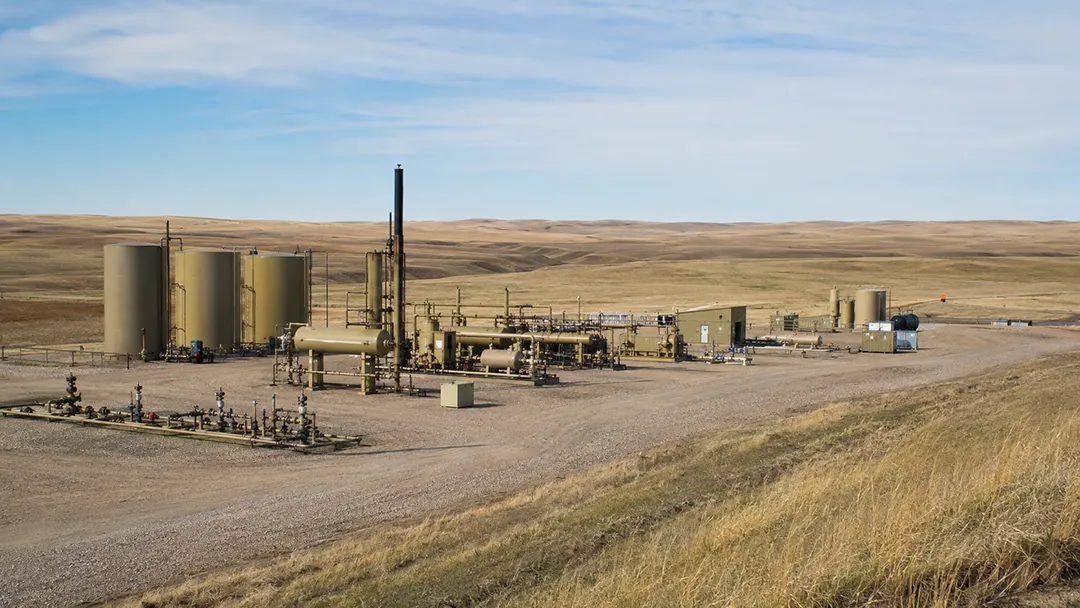
Before construction can begin, engineering teams must conduct exhaustive geodetic surveys, terrain analysis, and environmental assessments to chart the most efficient paths. Utilizing expert pipeline routing services during the early planning phases allows operators to avoid geographical hazards, minimize surface disruptions, and streamline the regulatory approval process with state authorities.
Regulatory Support and Tax Incentives for Enhanced Oil Recovery in North Dakota
North Dakota’s state leadership has established a highly supportive regulatory environment to help operators successfully deploy these capital-intensive projects. To encourage the adoption of enhanced oil recovery methods, the state offers attractive tax incentives, including significant reductions in the oil extraction tax for wells utilizing certified carbon dioxide injection processes.
Furthermore, North Dakota holds Class VI primacy from the U.S. Environmental Protection Agency (EPA), granting the North Dakota Department of Mineral Resources exclusive authority to regulate and permit geologic sequestration wells. This localized oversight provides energy companies with a clear, reliable, and expedited regulatory pathway, removing the bureaucratic bottlenecks often encountered at the federal level.
CO2 and AI: The Technology Driving the EOR Expansion
The $157 million research effort focuses heavily on refining miscible carbon dioxide injection, a proven method where CO₂ is introduced into the reservoir to act as a solvent. This process significantly reduces oil viscosity and causes it to expand, allowing the trapped hydrocarbons to flow freely toward the production well.

To ensure maximum efficiency, the initiative integrates cutting-edge artificial intelligence (AI) and predictive machine learning algorithms. By feeding massive datasets into advanced software platforms, engineering teams can build highly accurate 3D digital twins of subsurface shale formations. These AI models allow operators to simulate fluid movement in real time, ensuring that enhanced oil recovery agents are injected at the precise depth, pressure, and interval required for optimal reservoir performance.
Bakken Development with B.J. Kadrmas
Executing a successful asset modernization plan under the state’s new enhanced oil recovery framework requires a trusted land services partner with a flawless track record in the Williston Basin.
B.J. Kadrmas takes pride in serving as an essential ally to North Dakota’s energy producers. Our team delivers a comprehensive suite of specialized land services, including title research, leasing, and abstracting, among others. These core capabilities ensure your project moves seamlessly into active operation while staying fully aligned with state regulations.
Conclusion
The launch of this $157 million research initiative marks a thrilling milestone for North Dakota’s energy sector. By championing innovative enhanced oil recovery technologies, the state and its industrial partners are actively safeguarding the longevity, profitability, and environmental efficiency of the Bakken for future generations.
Staying ahead of this shift requires proactive planning and diligent execution. Contact the team of industry professionals at B.J. Kadrmas today to learn how our comprehensive land services can set your next project up for long-term operational success.